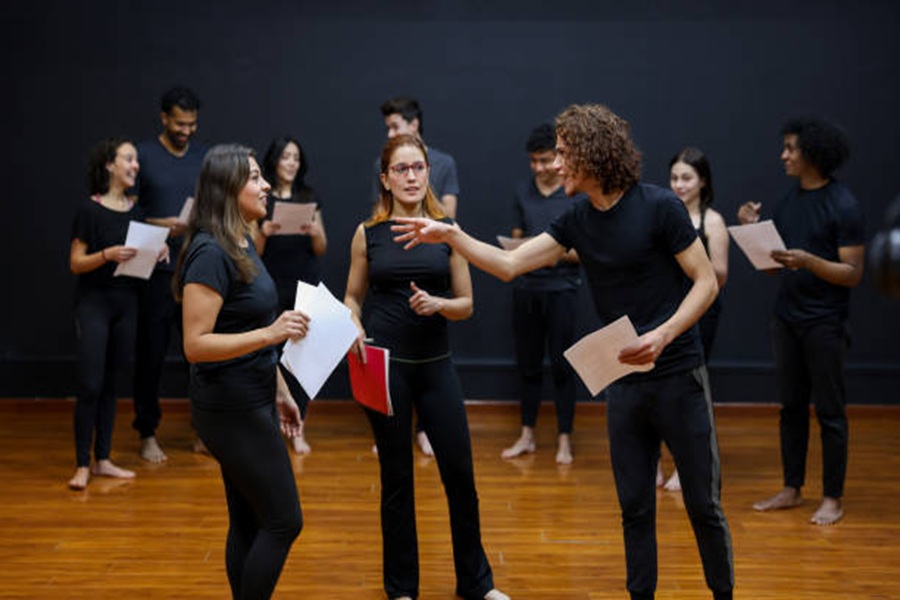
Acting classes provide a comprehensive foundation for anyone aspiring to improve their craft or enter the entertainment industry. Whether you’re a beginner or an experienced performer, these classes are tailored to enhance your skills, boost your confidence, and expand your understanding of the art of acting. Below, we’ll dive into what you can expect from acting classes and how they can truly transform your abilities.
Core Elements of Acting Classes
-
Vocal Training
Learn how to project your voice effectively, modulate tone, and improve diction. This ensures that your delivery is clear and impactful during performances. -
Improvisation Exercises
Improvisation helps you think on your feet and fosters creativity. These exercises encourage spontaneity while preparing you for unexpected scenarios in scenes. -
Scene Study
Students work on analyzing scripts, understanding subtext, and bringing characters to life through detailed scene work. -
Physical Movement
Acting isn’t just about words; it’s about embodying a character fully. Movement exercises help actors build awareness of their physical presence and gestures. -
Character Development
Learn how to create believable characters by exploring backstories, motivations, emotional depth, and relationships.
Benefits That Extend Beyond the Stage
-
Increased Self-Awareness:
Understanding emotions and body language leads to greater self-awareness in daily interactions. -
Confidence Building:
Regular practice in front of others teaches performers how to overcome stage fright or anxiety during public speaking situations. -
Enhanced Communication Skills:
Acting enables individuals to articulate thoughts more clearly while developing empathy through storytelling techniques. -
Collaboration Skills:
Working with others on scenes fosters teamwork as actors learn how to listen actively and respond authentically.
| Skill Gained | Application Outside Acting |
|---|---|
| Voice Modulation | Public speaking or presentations |
| Emotional Expression | Improved interpersonal skills |
| Script Analysis | Analytical thinking development |
| Improvisation Techniques | Problem-solving under pressure |
Tips for Making the Most of Your Experience
To get the most out of acting classes:
– Stay open-minded and embrace constructive criticism—it’s pivotal for improvement. – Practice consistently outside of class hours. – Reflect on feedback from instructors after each session. – Engage with peers—building connections within the acting community can be invaluable for growth opportunities.
Acting classes are designed not only to teach technical skills but also to nurture creativity and authenticity as a performer. Through consistent dedication, students emerge with refined talents that prepare them for a range of possibilities within both theater arts and broader professional endeavors.
Discover the Best Acting Classes New York Has to Offer for Aspiring Performers
Acting classes serve as an essential foundation for aspiring performers, equipping them with the skills, confidence, and understanding needed to navigate the craft of acting. Whether you are just beginning or looking to refine your abilities, understanding the various components of acting classes is key to making informed decisions about your training.
What Do NYC Acting Classes Teach?
- Script Analysis: Learning how to break down a script to develop a deeper understanding of your character’s motivations, relationships, and story arcs.
- Voice and Speech Training: Techniques to project your voice effectively, improve articulation, and explore intonation to create dynamic performances.
- Improvisation: Exercises that enhance creativity, spontaneity, and the ability to adapt quickly in performance scenarios.
- Movement and Body Language: Developing physical awareness for better stage presence and non-verbal communication.
- Scene Study: Practicing scenes from plays or screenplays to apply learned techniques in real-world contexts.
- Audition Preparation: Tips on how to approach auditions confidently by choosing appropriate material and presenting yourself professionally.
Top Reasons to Choose New York Acting Schools
-
Skill Development
Acting classes provide structured opportunities for honing critical skills such as emotional expression, timing, and collaboration. -
Professional Insights
Many programs are led by experienced instructors who share valuable industry knowledge and practical advice. -
Networking Opportunities
Engaging with classmates, instructors, and guest speakers can open doors within the entertainment industry. -
Confidence Building
Performing regularly in front of peers builds self-assurance that extends beyond acting into other areas of life. -
Constructive Feedback
Constructive critiques help identify your strengths while highlighting areas where improvement is needed.
Types of Acting Classes
| Class Type | Description |
|---|---|
| Beginners’ Classes | Ideal for newcomers covering foundational techniques like voice training |
| Scene Study Workshops | Focused on deep exploration of specific scenes |
| Improvisation | Helps actors sharpen creativity through unscripted exercises |
| On-Camera Training | Specializes preparing actors film/TV nuances |
Recognizing which type aligns best w/ goals saves time & ensures optimal experiences
How To Get Into Acting and Start Your Journey in the Entertainment Industry
Starting your journey in the acting world can feel overwhelming, but with the right steps and dedication, you can make meaningful progress toward becoming a professional performer. Here’s a guide to help you get into acting and build a strong foundation for your career.
1. Develop Your Interest in Acting
Before diving into formal training or auditioning, dedicate time to self-reflection. Ask yourself:
– Why do I want to act?
– What type of projects (theater, film, TV) am I most interested in?
– Am I ready for the challenges of this profession?
Acting is a demanding field that requires passion, perseverance, and adaptability. Understanding your motivations will not only provide clarity but also fuel your commitment to success.
2. Pursue Professional Training
A solid education in acting is crucial for building foundational skills and confidence. Some options include:
– Acting Classes: Local classes often focus on specific techniques such as Meisner, Method Acting, or Stanislavski systems.
– Drama Schools: Full-time programs provide comprehensive training across various disciplines like voice work, movement, and character development.
– Workshops: Short-term workshops are great for refining skills or exploring specialized areas like improvisation or on-camera techniques.
| Type of Training | Benefits | Duration |
|---|---|---|
| Acting Classes | Affordable; flexible scheduling | Weekly sessions |
| Drama Schools | Comprehensive; industry networking opportunities | 1–3 years |
| Workshops | Focused skill development | Days to weeks |
3. Build Experience
Hands-on experience is an essential part of becoming an actor. Keep an eye out for opportunities such as:
– Community Theater Productions: A welcoming environment for new actors looking to gain stage experience.
– Short Films or Student Projects: These help you practice on-camera acting and develop a reel.
– Background Work/Extras Roles: While not always glamorous, these roles offer insight into how film sets operate.
4. Create a Strong Portfolio
- Headshots – Professional-quality photos showcasing different looks or emotional ranges.
- Resume – Highlight key roles in theater productions, films, commercials, etc., along with relevant training.
- Demo Reel (Showreel) – A short video featuring clips from past performances that demonstrate your versatility as an actor.
5. Network Within the Industry
Networking is key to increasing visibility and connecting with industry professionals who might open doors for future opportunities: – Attend industry events like film festivals or theater showcases. – Join local drama groups or unions such as SAG-AFTRA (in the United States) once eligible. – Leverage social media platforms like Instagram or LinkedIn to showcase your work and engage with casting directors.
6. Prepare For Auditions
Auditions are at the heart of every actor’s journey in securing roles: – Practice monologues that highlight your strengths. – Familiarize yourself with cold reading techniques (performing scripts with little preparation). – Research each project beforehand so you can understand its tone and deliver an informed performance.
Final Thoughts
Breaking into acting requires patience, consistent effort, and self-belief. By focusing on skill development through training programs, gaining hands-on experience via community projects or indie films, and actively networking within creative circles, you’ll be well-equipped to start making strides toward a rewarding career in entertainment.
Who Can Apply To Be A Drama Student and Begin Their Acting Career
Acting is a craft that welcomes individuals from all walks of life. Whether you’re a complete beginner or someone with prior experience in performing arts, drama classes provide an inclusive environment to nurture your talent. Here’s a detailed look at who can apply to be a drama student and take the first steps toward an acting career.
Age is Just a Number
Drama schools cater to various age groups, making acting an accessible pursuit for children, teenagers, adults, and even seniors. Programs are designed to suit different levels of maturity and life experience:
– Children: Many schools offer programs for kids aged 6 to 12 that focus on building confidence through creative play and improvisation techniques.
– Teenagers: Classes for teens often include foundational acting skills such as voice training, stage presence, and character building. These are perfect for students aiming to prepare for high school plays or auditions.
– Adults: Whether it’s for professional aspirations or personal growth, adult classes serve anyone interested in exploring self-expression through drama.
– Seniors: Retirement doesn’t mean retiring from creativity. Specialized workshops exist for older adults looking to engage in acting as a hobby or secondary career.
Prior Experience is Not Mandatory
One of the great aspects of drama programs is their inclusivity regarding experience levels. Schools generally offer options for beginners as well as advanced performers: – Beginner Classes: Tailored for those with no formal training, these sessions focus on foundational skills such as voice modulation, basic script reading, and body language. – Intermediate Levels: Ideal for participants with some experience in theater or film who want to refine their techniques. – Professional-Level Training: These classes often require auditions and cater exclusively towards actors actively pursuing roles in theater productions or screen performances.
International Applicants and Inclusivity
Drama schools are increasingly emphasizing diversity within their student body: – Individuals from any cultural background are encouraged to apply. – Many institutions offer English-language courses alongside accent training programs designed specifically for non-native speakers. – Scholarships are frequently available to support underrepresented groups aspiring toward performing arts careers.
Passion Over Profession
While many aspire toward acting careers after attending classes, others join simply out of passion or curiosity: | Purpose | Ideal Program Type | |———|——————–| | Hobby/Leisure | Community workshops or casual courses | | Confidence Building | Improv-based classes focused on public speaking | | Professional Ambition | Comprehensive conservatory-style programs |
Application Process Overview
Depending on the institution’s structure, applying often involves some combination of these steps: 1. Submitting an online application form detailing your goals and interest in acting. 2. Preparing an audition monologue (if required) showcasing your abilities. 3. Engaging in a brief interview with instructors where you discuss your expectations from the course.
Regardless of your background or goals, there’s likely an acting program suited just for you—one that aligns with both your abilities and ambitions while fostering creativity along the way.

Finding the Right Acting Classes NYC Has to Offer for Your Needs
Acting classes come in various formats, each designed to develop specific skills or cater to particular interests within the craft. Understanding the types of acting classes available is essential for aspiring actors who want to tailor their training to their goals and strengths. Below, we explore some common types of acting classes and provide guidance on how to determine which option might best suit you.
Types of Acting Classes
- Focus: Breaking down and performing scenes from plays, films, or TV shows.
- Purpose: Teaches actors how to analyze scripts, develop characters, and work collaboratively with partners.
-
Best For: Actors looking to refine their performance skills in realistic situations.
- Focus: Developing quick thinking, spontaneity, and creativity without a script.
- Purpose: Encourages actors to stay in the moment and adapt quickly during performances or auditions.
-
Best For: Actors interested in comedy or those seeking better reactions under pressure.
- Focus: Deep emotional connection with characters using personal experiences as inspiration.
- Purpose: Helps actors deliver authentic performances by immersing themselves fully into a role.
-
Best For: Performers wanting to explore an emotionally intense approach.
- Focus: Techniques specific to acting for film and television (e.g., working with cameras, hitting marks).
- Purpose: Prepares actors for the technical nuances of being on set while maintaining compelling performances.
-
Best For: Those aiming for careers in film, TV shows, or commercials.
- Focus: Use of voice for animated characters, audiobooks, video games, or advertisements.
- Purpose: Develops vocal range, clarity, and emotional expression through voice alone.
-
Best For: Aspiring voice-over artists or anyone looking to enhance vocal versatility.
- Focus: Physicality in performance through techniques like mime or dance-inspired movements.
- Purpose: Helps actors become more aware of body language as a storytelling tool.
-
Best For: Those pursuing roles requiring significant physical expression (e.g., theater or action-oriented performances).
-
- Focus: Performing works by playwrights such as Shakespeare or Chekhov.
- Purpose: Builds a foundation in traditional acting techniques involving heightened language and stylized movement.
- Best For: Actors passionate about stage productions rooted in classic literature.
Choosing the Right Class
- Assess Your Goals: Identify whether you’re more interested in stage work, screen acting, voice-overs, or another niche area of performance.
- Evaluate Your Experience: Beginners benefit from foundational courses focused on basic skills like scene work; experienced performers may prefer advanced options such as method acting.
- Consider Class Format: Decide if you prefer one-on-one coaching sessions with an instructor or group settings where collaboration plays a significant role.
- Seek Feedback: Reach out to current students or alumni before choosing a class—they can provide insights into teaching styles and outcomes.
- Review Costs & Schedules: Ensure affordability while balancing acting classes alongside other personal commitments.
Sample Table Comparing Different Class Types
| Class Type | Key Skills Developed | Ideal Career Path | Typical Format | Example Exercise |
|---|---|---|---|---|
| Scene Study | Script analysis; character work | Film/Theater | Group-based | Rehearsing dialogue from a play |
| Improvisation | Thinking on your feet | Comedy/TV | Group-based | Short-form improv games |
| On-Camera Acting | Mastering camera presence | Film/TV | Individual & group | Delivering lines directly into lens |
| Voice Acting | Vocal clarity; versatility | Animation/Audiobooks | Individual | Creating distinct character voices |
Finding the right fit often requires some trial-and-error; however, taking time upfront to research thoroughly will ensure your investment leads toward meaningful growth as an actor—both creatively and professionally.